
A live-commerce studio has to show a product, support a presenter and keep the buying conversation moving at the same time. The set is a working demonstration area. Product handling, detail views, audience questions and platform operation can matter as much as the presenter’s main camera shot.
That changes the planning brief. A room designed only for a person speaking at a desk may not provide the space, lighting or operator workflow needed to explain products clearly on a live program.
The product needs its own camera plan
A presenter view tells the audience who is speaking. It may not show the texture, label, controls or scale of an item clearly enough to answer a buying question. Decide which details need a closer view and how the program moves to that view.
Test representative products rather than an easy substitute. Glossy packaging, dark materials, small text and transparent objects can create different picture problems. The point is not to find one universal light setting. It is to establish what the studio can show and what needs a separate setup.
Include hands and movement. A product may be rotated, opened, assembled or passed to another presenter. The camera and lighting need to support the demonstration without forcing awkward handling or repeatedly losing the useful view.
The table is a production surface
A live-shopping table needs room for the current item, the next item and anything used during the demonstration. It also needs an orderly way to remove completed products. Without that flow, the presenter can run out of space while the camera is still live.
Agree where labels, notes and packaging belong. A surface that reflects the lights or makes a small object hard to distinguish can undermine the presentation. Test the table finish through the camera with actual products before treating it as a purely scenic choice.
Think about the people preparing the next segment. They need access without crossing the main view or distracting the presenter. The layout should make a product handoff practical, not depend on someone crouching out of frame throughout the program.
Operators manage more than pictures
A live-commerce session can require camera selection, audio monitoring, product information, audience moderation and platform controls. Identify which tasks occur at the same time and who owns them. A presenter who is demonstrating a product should not be assumed to monitor every technical state.
The content or commerce team should own approved product details, claims and any offer information. Production needs the correct version and the cue for showing it. Do not leave operators to improvise commercial statements from informal notes during a live session.
Verify the platform workflow using the actual authorized account before the event. Features and permissions can vary, so a generic demonstration is not enough. Keep platform-specific requirements in the show plan and review them when the account, format or destination changes.
The room must adapt without becoming unpredictable
Changing products or brands can require different surfaces, backgrounds and camera views. Define what is intended to move and what should remain fixed. A flexible studio still needs repeatable positions and a reliable way to return to a known configuration.
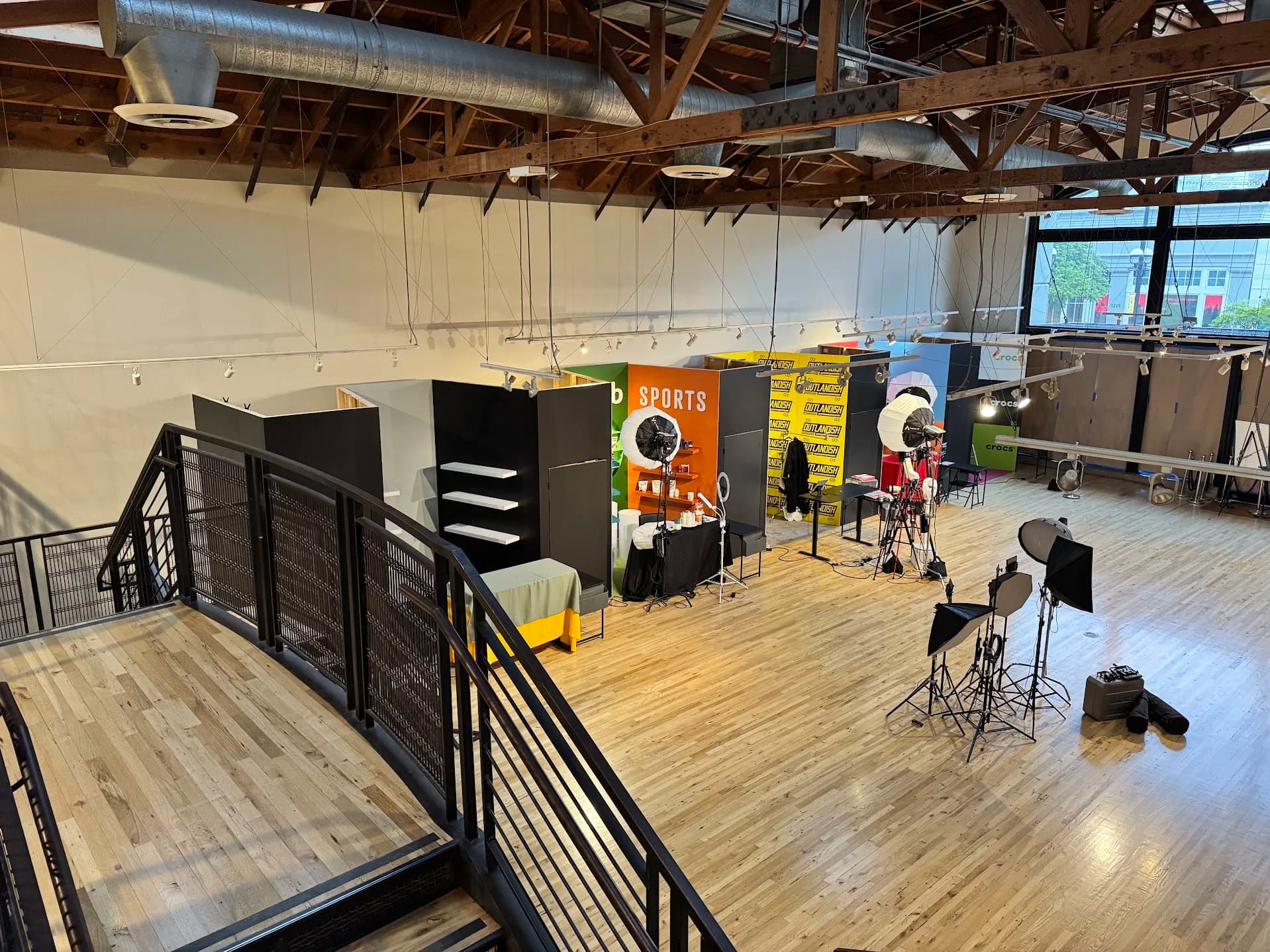
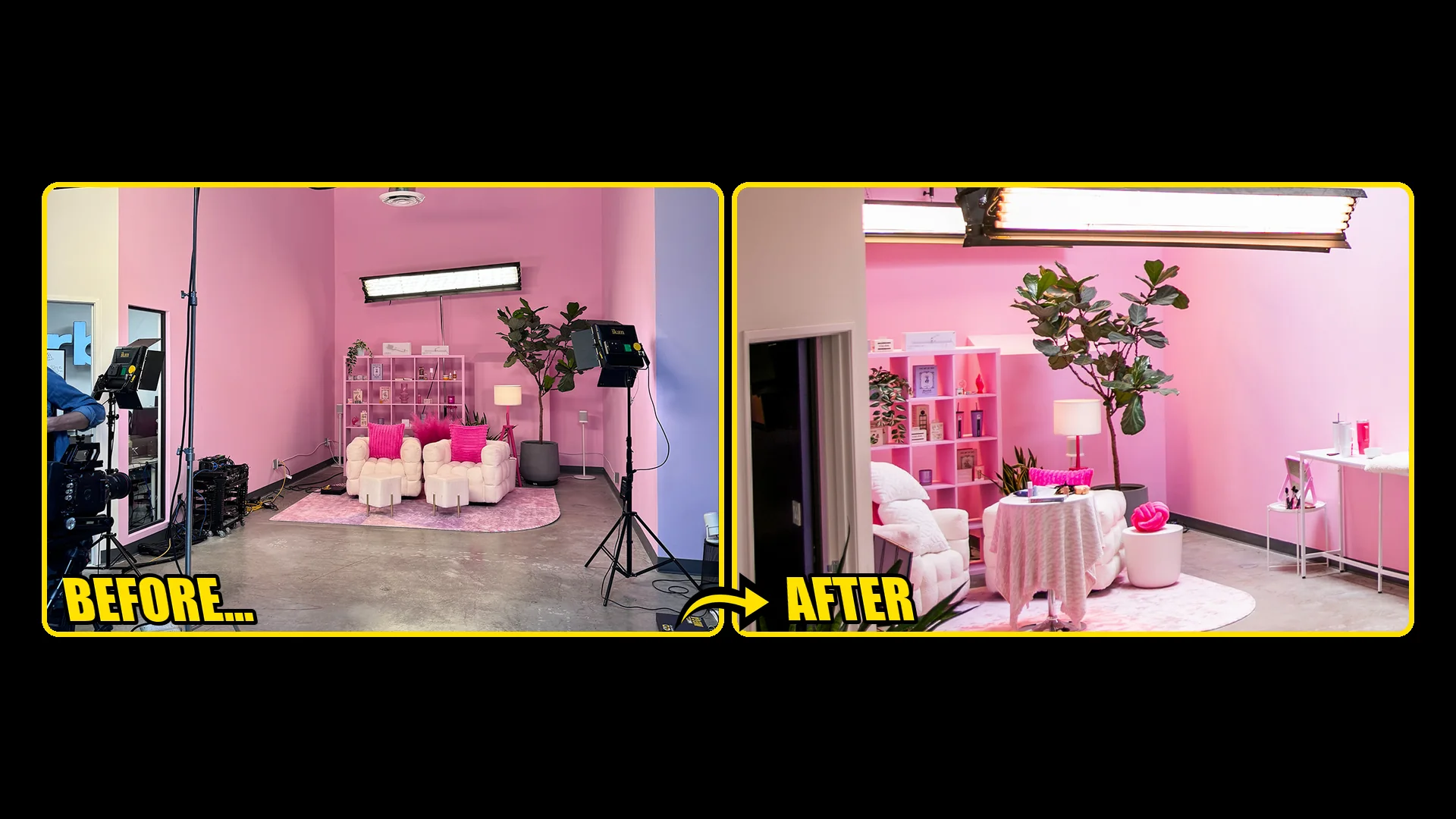
JAZ’s Outlandish live-shopping project documents a freestanding truss structure, production lighting and audiovisual support in a retail space where permanent building alterations were restricted. The example shows how property constraints can shape a live-commerce installation.
It does not establish a sales result or imply that JAZ operated every shopping program produced there. The relevant design lesson is that support infrastructure and the surrounding building need to be considered together before fixtures and set elements are installed.
Public-facing spaces add another set of questions
A studio visible from a storefront or shared retail area has different boundaries from a closed recording room. Consider how people approach, what they can see and whether public activity enters the picture or sound. Define who manages access and interactions near the production area.
The presenter may need to acknowledge a physical audience while maintaining a useful camera relationship. That behavior should be rehearsed. A camera position optimized for a private broadcast may not suit a host who repeatedly turns toward visitors.
Coordinate the production footprint with the property team. Circulation, mounting, power and building restrictions need appropriate review. A successful visible set should not depend on blocking an access route or attaching equipment to a structure without permission.
| Requirement | Talking-head studio assumption | Live-commerce question |
|---|---|---|
| Camera coverage | Keep the presenter framed | Can viewers see the details being discussed? |
| Lighting | Maintain a consistent face | Can the face and representative products both be shown clearly? |
| Set surface | Provide an attractive desk | Can items be prepared, demonstrated and removed? |
| Operator workload | Record or switch the conversation | Who handles product cues, questions and platform states? |
| Reset | Return the chair and camera | Can the next product or brand be prepared repeatably? |
A pilot should include the difficult item
Choose a representative product sequence, including one item likely to be challenging to photograph or demonstrate. Run the program with the intended presenter, operator and moderator. Include a question that requires returning to a previous detail view.
Watch the received stream on a typical viewer device. Ask whether the product information is legible, the demonstration stays in view and the presenter can work comfortably. Check the recording separately if it will be reused for clips or product content.
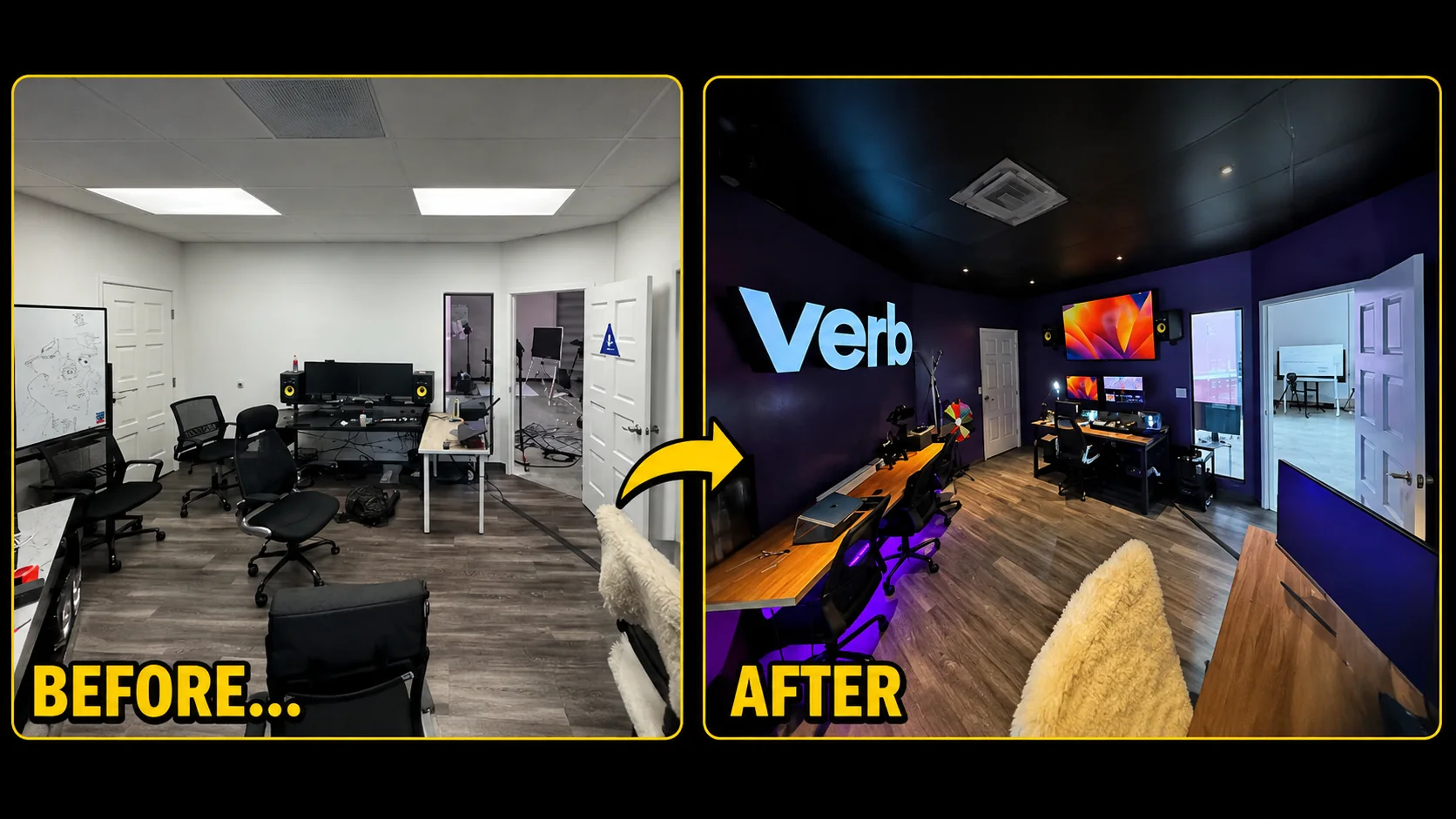
JAZ’s Market.live and VERB project includes lighting and engineering-room integration across production environments. The case study is useful context for considering both sides of the studio: the visible set and the people managing it. Neither side should be designed as an afterthought.
Brief the whole selling conversation
Describe the product categories, presenter count, demonstration actions, audience interaction and platform responsibilities. Provide sample items or representative dimensions and materials. Include the room’s restrictions and whether the studio is private, shared or public-facing.
The broader planning guide turns those details into a room and operating brief. JAZ’s broadcast studio services include the infrastructure relevant to live-commerce environments. Send the product workflow and space information so we can discuss what the presenter, audience and operators need from the studio.
Jesse Kaplan

Jesse Kaplan is the third generation of JAZ Entertainment. His work spans permanent studios, professional AV systems and live technical production.
About Jesse and JAZ